Pilonidal Sinus Hair Disease: Causes and Treatment
A comprehensive guide to pilonidal sinus (hair disease): why it occurs at the top of the buttocks, its symptoms, and the latest treatment methods and avoiding its recurrence.
In this article
Pilonidal sinus, or what's known as hair disease, is a common condition especially among young people, occurring in the area at the top of the buttocks near the tailbone. Although it's not usually dangerous, it's bothersome, painful, and tends to recur if not treated correctly. Understanding its nature and the latest treatment methods helps eliminate it permanently. Pilonidal sinus treatment is part of general surgery, and you can review Dr. Mohamed Esmat's services.
What Is Pilonidal Sinus and Why Does It Occur?
A pilonidal sinus is a small pocket or tunnel forming under the skin in the cleft between the buttocks above the tailbone. It often occurs when hairs embed in the skin in this area, so the body reacts to them as a foreign body and forms a pocket around them that may become inflamed and fill with pus. It's called hair disease for this reason. Its likelihood increases with abundant body hair, prolonged sitting, obesity, excessive sweating, and poor hygiene in the area. It's more common in young males.
Symptoms of Pilonidal Sinus
Swelling and Pain
Painful swelling at the top of the buttocks that may increase with sitting, especially when inflamed.
Discharge
Pus, blood, or foul-smelling fluid may come from a small opening in the skin.
Recurrent Inflammation
Episodes of inflammation and pain recur if the sinus isn't definitively treated.
Fever With Abscess
When an acute abscess forms, fever and severe pain may appear requiring prompt intervention.
The Latest Treatment Methods for Pilonidal Sinus
Pilonidal sinus treatment has advanced greatly. In the case of a painful acute abscess, initial drainage is necessary to ease pain. Definitive treatment aims to remove the sinus and prevent its recurrence. Traditional methods ranged between wide surgical opening (with slow healing) and excision with closure. But modern less-invasive techniques with faster recovery and less pain have emerged, aiming to remove the sinus while preserving as much healthy tissue as possible and reducing recurrence chances. The doctor chooses the most suitable technique by the sinus's size and condition.
Pilonidal sinus tends to recur if its causes aren't addressed. To prevent recurrence after treatment: keep the area clean and dry, remove hair from it regularly per the doctor's advice, avoid continuous prolonged sitting, and maintain a healthy weight. These simple steps greatly reduce recurrence chances.
"Pilonidal sinus is a common disease among young people, and a source of embarrassment and recurrent pain. The good news is that modern techniques made its treatment easier with faster recovery. But preventing recurrence by caring for the area is no less important than the treatment itself."
Dr. Mohamed EsmatFrequently Asked Questions
Is pilonidal sinus dangerous?
Not usually dangerous, but bothersome, painful, and tends to recur and inflame repeatedly if not definitively treated. Early treatment avoids complications.
Does the sinus recur after treatment?
It may recur if its causes aren't addressed or care of the area is neglected. Choosing the right technique and preventive care greatly reduce recurrence.
How long does recovery take after sinus treatment?
It depends on the technique used; modern less-invasive techniques recover faster than traditional methods. The doctor explains what to expect for your case.
Suffering Recurrent Pain or Swelling at the Top of the Buttocks?
Book your consultation with Dr. Mohamed Esmat for definitive treatment with the latest techniques and avoiding recurrence.

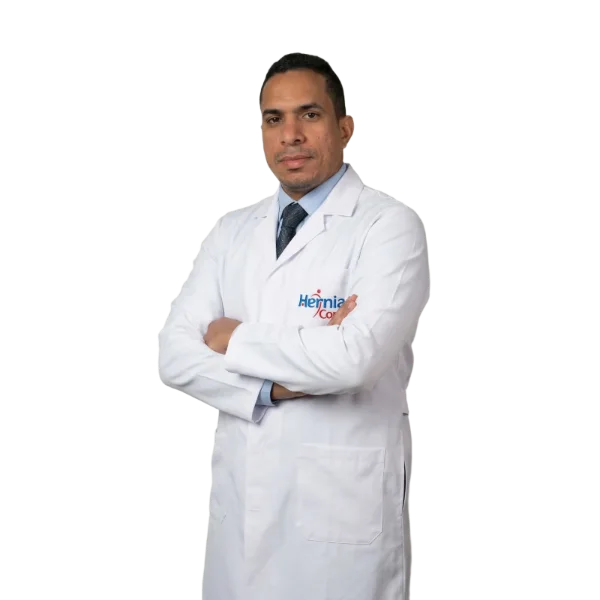
Dr. Mohamed Esmat
Consultant hernia and abdominal wall surgeon, PhD in General Surgery and founder of Hernia Core — the first Arab clinics dedicated to hernia surgery. 15+ years of experience and over 5,000 successful cases.
This article is for general medical awareness only and does not replace a consultation with a specialist. To assess your case, please book with Dr. Mohamed Esmat. Last reviewed: September 28, 2026.