Why I chose hernia surgery
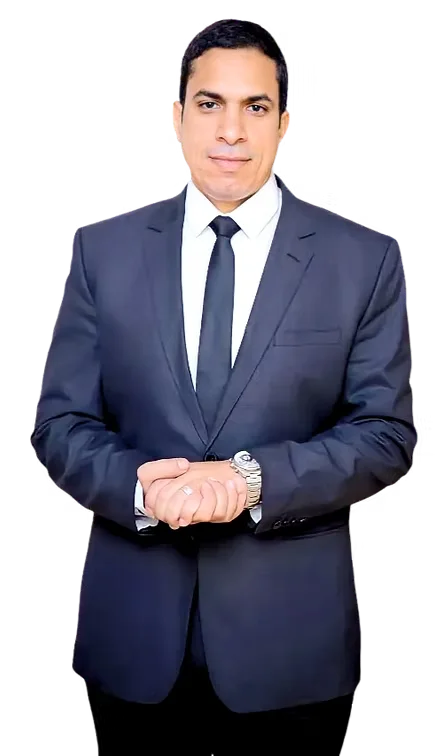
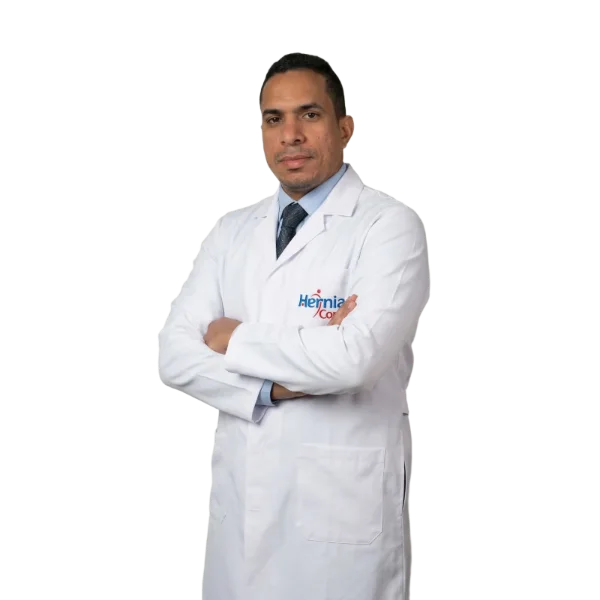
It started a long time ago, when I was a young surgeon taking my first steps in the profession. I began to notice that hernia patients were not receiving the same level of care as other patients — perhaps because most of them had no severe pain, nothing that called for urgent surgery, and no tumour that might spread.
As a result, the hernia patient received the least attention on the ward, and hernia operations were done by anyone, from the most junior to the most senior doctor — perhaps because few techniques were available back then. The outcome was a very high rate of recurrence and many complications.
I saw patients who were truly disabled — people living with giant hernias that turned their lives into misery. I started searching and discovered that most of the methods used to repair hernias in Egypt and the Arab world were outdated, while modern techniques gave far better results with fewer complications.
The subject captivated me. I began reading and connecting with surgeons in the USA, the UK, Germany and India whose entire work is hernia surgery — they live and breathe it. I travelled to them, learned step by step and brought these techniques back to Egypt. We are still in constant contact, and every day there is something new that I try to bring straight into my practice.
Hernia surgery depends on quality — in the surgical and anaesthetic technique, in the choice of mesh, and in high-standard sterile operating theatres. If any pillar of quality is missing, even a small detail can affect the result.
What made me love the field even more is that every operation leaves room for creativity in every detail, and each procedure is tailored exactly to the patient. Today, thank God, patients in Egypt who were disabled by their hernia have returned to normal life, and patients whose hernia had come back three, four or five times have finally been freed from it.
And it is not only hernias — the field is called Abdominal Core Surgery. It covers hernia surgery, abdominal muscle problems, abdominal wall tumours, chronic pain, umbilical problems, difficult abdominal wall closure and stoma problems — a speciality offered for the first time in the Arab world.
By God’s grace we are now on the world map in this field, and within a few years we will be competing strongly and representing the whole Arab world. This passion always drives me to look for the best for my patients. I have laid a strong foundation for hernia and abdominal core surgery in the Arab world — and I hope to pass it on to a new generation of surgeons in Egypt and the region.