Health Risks of Obesity What You Don't Know About Excess Weight
Obesity is more than an appearance matter; it's a real health risk to the heart, joints, and organs. Learn its full risks to your body.
In this article
Many view obesity as merely an appearance or scale-weight matter, but it's actually a real health risk affecting nearly every body organ. Excess weight doesn't only burden the joints, but raises the risk of heart disease, diabetes, and many other conditions. Understanding these full risks may be the real motivation for change. Among what obesity raises the risk of is what relates to our specialty like obesity and hernia.
Obesity Risks to the Heart and Vessels
The heart is among the organs most affected by obesity. Excess weight forces the heart to work harder to pump blood to a larger body, raises blood pressure, and increases harmful cholesterol levels. All this markedly raises the risk of coronary heart disease, clots, and strokes. Obesity is also linked to fat accumulation around internal organs, the most dangerous type of fat for heart and vascular health.
Obesity and Type 2 Diabetes
The relationship between obesity and type 2 diabetes is among the strongest in medicine. Excess fat, especially around the abdomen, causes insulin resistance, meaning the body loses its ability to use insulin efficiently, raising blood sugar and gradually leading to diabetes. The good news is that losing part of the weight may greatly improve insulin sensitivity and reduce diabetes risk or help control it.
Heart Disease
High blood pressure, harmful cholesterol, and heart strain raise clot and stroke risk.
Diabetes
Excess fat causes insulin resistance and raises blood sugar toward diabetes.
Joints
Excess weight strains the knees, back, and hips and accelerates joint wear.
Breathing Problems
Obesity is linked to sleep apnoea and other breathing difficulties.
Obesity's Effect on Joints and Breathing
Every extra kilogram adds a burden on weight-bearing joints, especially the knees, hips, and lower back. Over time, this burden accelerates cartilage erosion and causes joint wear and chronic pain. Regarding breathing, obesity is linked to obstructive sleep apnoea, where breathing repeatedly stops during sleep, affecting sleep quality and heart health. It may also cause shortness of breath with exertion.
Obesity doesn't only raise disease risk, but complicates any surgery the patient may need. It makes operations technically harder, slows wound healing, and raises the risk of complications and hernia recurrence after repair. So weight management is part of surgical health too.
The Good News: The Risks Are Reversible
The encouraging aspect is that many obesity risks can improve or reverse with weight loss. Even losing a small percentage of weight (5-10%) may markedly improve blood pressure, sugar, and cholesterol, and ease the burden on joints and heart. This means every step toward a healthy weight is a real investment in your health. To learn how to lose weight healthily, follow our article on healthy weight loss.
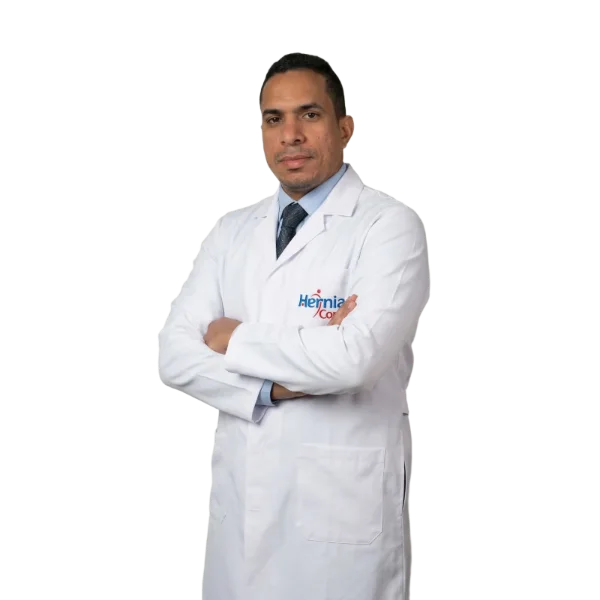
"I see daily how excess weight burdens my patients' health, from heart to joints. But I also see how everything improves with weight loss. My message is always: the risks are real, but the hope for improvement is real too, and every step makes a difference."
Dr. Mohamed EsmatFrequently Asked Questions
Is obesity just an appearance matter?
No, obesity is a real health risk raising the likelihood of heart disease, diabetes, joint wear, breathing problems, and more. Its effect touches the whole body.
How much weight do I need to lose to improve my health?
Even losing 5-10% of weight may markedly improve blood pressure, sugar, and cholesterol. Every step toward a healthy weight is beneficial.
Are obesity risks reversible?
Yes, many improve with weight loss. So weight management is a real investment in your long-term health.
Worried About Your Weight's Effect on Your Health?
Book your consultation with Dr. Mohamed Esmat for a comprehensive health assessment and a plan suited to your case.
Dr. Mohamed Esmat
Consultant hernia and abdominal wall surgeon, PhD in General Surgery and founder of Hernia Core — the first Arab clinics dedicated to hernia surgery. 15+ years of experience and over 5,000 successful cases.
This article is for general medical awareness only and does not replace a consultation with a specialist. To assess your case, please book with Dr. Mohamed Esmat. Last reviewed: September 13, 2026.